


Deemo
4.524.54K Reviews
App Specs
- Version
- 5.0.11
- Updated On
- License
- Free
- Downloads
- 5,000,000+
- Developer
- RAYARK
- Categories
- Music
- Platform
- Android, iOS
Screenshots


 Analysis by AppCompare
I tend to judge a rhythm game by what happens after the first few songs: does it make me want to return, and does it feel good to play on an ordinary phone? Deemo has a clear appeal for anyone who wants music and a story to share the screen, rather than a score challenge with nothing around it. Its piano-led mood is distinctive, though the calm presentation shouldn’t be mistaken for effortless play. Timing still matters, and a small setup or control problem can be enough to make a song feel unfair.
Where players can get stuck
The first hurdle is learning to read the falling notes while listening to the music. The basic actions are easy to understand, but being able to tap, swipe, or hold does not mean every pattern will feel natural at once. I’d start with songs and difficulty levels that let me focus on the beat instead of trying to chase a perfect result immediately. A steady rhythm is a more useful early goal than a high score.
Another source of confusion is the relationship between playing and progress. Songs contribute to the tree’s growth, and that growth opens further music and story material. If a new chapter does not appear after a short session, I wouldn’t assume the game has stopped working; progression is tied to playing, so returning to songs and continuing through them is the sensible first step. This gradual pace suits the story, but it may frustrate someone expecting every track or scene to be available right away.
Small setup checks that help
Because timing is central, I try to give each session a fair test before blaming my taps. I keep the phone steady, avoid touching the screen before a note reaches the judgment line, and play a short section with my attention on the audio rather than on the score display. If the timing feels inconsistent, I pause and check whether the device is responding smoothly; repeatedly changing how I tap without checking the conditions can make it harder to tell what is actually wrong.
It also helps to begin in a quiet moment, especially when learning an unfamiliar song. The soundtrack is part of the timing cue, so competing audio or interruptions can make a pattern seem harder than it is. I treat a missed note as information: was I early, late, or distracted? That simple check helps me adjust on the next attempt instead of replaying the same section mechanically.
Getting to Know Deemo
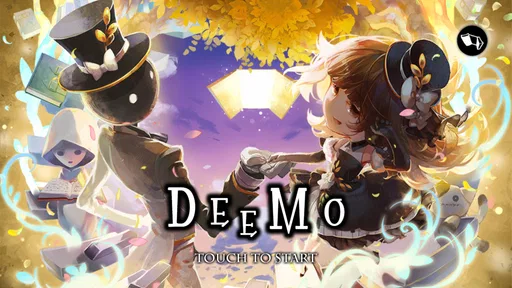
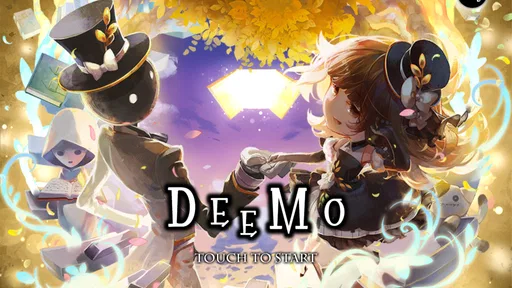
First things first, Deemo is a rhythm game developed by Rayark Inc., known for their knack for creating visually stunning games with captivating soundtracks. You start the game as Deemo, a mysterious character who plays the piano in a magical world. The story kicks off when a little girl falls from the sky, and your goal is to help her find her way back home. Simple, right? Well, not quite. There’s a whole lot of magic and mystery wrapped up in this journey.
A Musical Journey
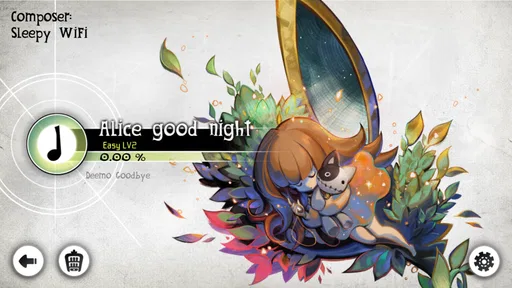
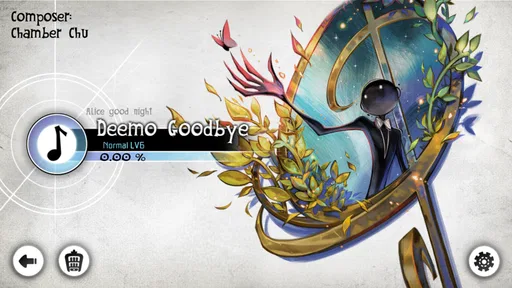
The core of Deemo lies in its music-driven gameplay. You’ll find yourself tapping to the rhythm of over 200 songs, with a variety of music genres ranging from classical to pop and rock. As someone who’s played a fair share of rhythm games, I can say that the mechanics are straightforward but challenging enough to keep you on your toes. The notes fall from the top of the screen, and it’s your job to hit them in time with the music. Simple taps, swipes, and holds – it’s all about timing and precision.
Worth Reading Before You Choose

EA SPORTS FC Mobile 26 Is a Bigger Football Game, but It Takes Time

Flipboard Shows What News Apps Must Do Beyond the Feed

Switching to Android Auto Means Rethinking Your Driving Routine

Google Calendar Makes a Crowded Week Easier to Manage

Ludo King Makes the Most of the Minutes Between Plans

Baby Panda World Brings Quick Play to Modern Phones, but Its Game Library Feels Busy
For a first session, I would pick one track and replay it before sampling several others. That gives me a feel for how its beat maps to the notes, and it makes improvement easier to notice. Once a song becomes familiar, I can focus on the denser passages rather than trying to decode the whole chart in real time. This is a useful approach for newcomers, but it also suits experienced players who want to work on consistency instead of treating every song as a one-off challenge.
Visuals and Storytelling
What sets Deemo apart from other rhythm games is its stunning visuals and storytelling. The game boasts a beautiful hand-drawn art style that perfectly complements its ethereal soundtrack. As you progress, you’ll unlock new scenes and chapters of the story that unfold in a way that’s both intriguing and heartwarming. It’s like reading a beautifully illustrated storybook, where you’re not just turning the pages but actively participating in the narrative.
The story gives the music a different purpose from the one it has in score-focused rhythm games: a song is also part of a larger atmosphere and a route through the game’s world. I find that makes short sessions feel meaningful, even when I am not chasing a personal best. The trade-off is that players who want a purely competitive loop may prefer a game built around rankings, versus play, or constant score comparison. Deemo’s appeal is more reflective than confrontational.
Progress and Unlocks
As you play through the game, you’ll help the little girl grow a tree by playing the piano. Each song you play contributes to the tree’s growth, unlocking more songs and story elements. There’s a satisfying sense of progression, as you’re constantly rewarded with new content. And let me tell you, the moment you unlock a new song or story chapter feels like a little victory.
A practical way to fit that progression into a busy day is to treat one or two songs as a complete session. On a commute break, during a quiet wait, or at home before bed, I can play without needing to turn the game into a long practice block. If I have more time, I can revisit a track and pay attention to a difficult passage; if I only have a few minutes, a single song still contributes to moving forward. That flexibility is a strength, although anyone who dislikes gradual unlocking may find the pace too patient.
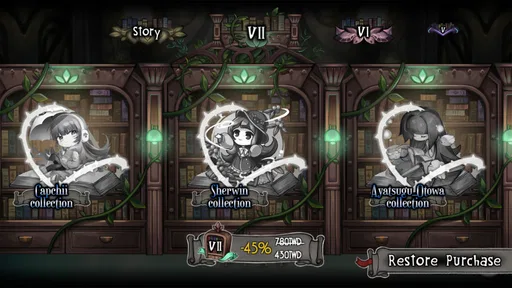
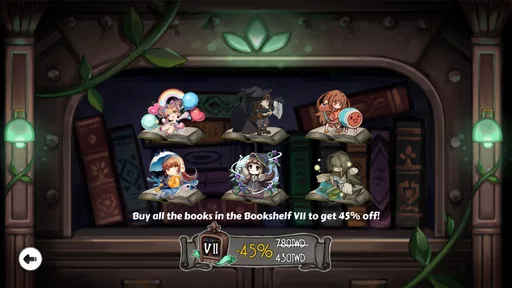
Players deciding whether the free entry point is enough should also keep the purchase model in mind. The game is free to start, with in-app purchases priced from $0.99 to $54.99 per item. I’d first spend time with the available experience and decide whether its mood and play style suit me before considering anything optional. The range is broad, so it is worth checking the individual purchase details in the game rather than assuming every item offers the same kind of content or value.
Soundtrack to Your Soul
I can’t stress enough how much the soundtrack adds to the overall experience. Each song is meticulously composed to evoke emotions and fit seamlessly into the narrative. Whether you’re a fan of piano solos, orchestral pieces, or more modern tunes, you’ll find something that resonates with you. The music doesn’t just serve as background noise – it’s an integral part of the story that pulls you further into the world of Deemo.
That close link between audio and play is also a reason to choose the right moment for a serious attempt. If the environment is noisy, I may still enjoy the visuals and story, but I am less likely to judge my timing fairly. I save focused replays for when I can hear the track clearly, and use relaxed sessions to explore songs without expecting a flawless run. This separation keeps the game enjoyable instead of turning every missed note into a reason to quit.
When the phone, not the song, may be the issue
If a familiar passage suddenly feels difficult, I check the simple things first: whether I am holding the device differently, whether my fingers are landing where I intend, and whether interruptions are breaking my concentration. I also avoid drawing a conclusion from one rough attempt. A rhythm chart can feel very different when I am tired or rushing, and replaying it later is a better test than repeatedly tapping in frustration.
For general troubleshooting, I close and reopen the game if it becomes unresponsive, then try again when the device is behaving normally. If an issue keeps returning, I make a note of what I was doing when it happened and check the game’s current version and the device’s operating system compatibility before changing several things at once. Deemo’s current version is 5.0.11, and it requires Android 5.0 or later. These checks do not explain every problem, but they help separate a timing mistake from a broader device or compatibility issue.
Who will enjoy this kind of rhythm game?
I’d recommend Deemo to someone who likes piano-centered music, illustrated fantasy, and progress that unfolds gradually. It is also a good fit for a player who wants a rhythm game that can be enjoyed in short bursts without making every session a competition. Rayark, the developer, has shaped the experience around the connection between songs and story, and that gives it a more personal feel than a menu of disconnected tracks.
I would steer away from it if the main reason for playing is head-to-head competition, rapid access to a large catalogue, or a purely technical practice tool. Players who need a broad set of control or timing adjustments should check how the game feels on their own device before committing to long sessions. The core appeal depends on the combination of listening, tapping, and gradual narrative progress; if one of those parts is unwelcome, the others may not be enough to compensate.
Deemo is rated for Everyone, has an average rating of 4.5 from around 558,000 ratings, and has been installed over 5 million times. It first appeared on December 26, 2013, and its staying power makes sense to me: its appeal comes from a specific mood and a memorable way of tying music to a small story, not from trying to imitate every trend in the genre. Those figures can help set expectations, but they cannot tell you whether its pace or touch controls will suit your hands.
Final Thoughts
If you’re looking for a game that combines beautiful art, captivating music, and an emotional story, Deemo is a must-try. It’s more than just a rhythm game; it’s an experience that stays with you long after you’ve put down your phone. Whether you’re a seasoned rhythm game player or new to the genre, Deemo offers a magical journey that’s both challenging and rewarding.
So, what are you waiting for? Dive into the world of Deemo and let the music guide you. Trust me, you won’t regret it!
Pros
- Beautifully crafted music tracks.
- Engaging and emotional storyline.
- Stunning hand-drawn visuals.
- Challenging gameplay with various levels.
- Smooth and intuitive touch controls.
Cons
- Limited free tracks available initially.
- Requires internet for updates.
- Not optimized for older devices.
- In-app purchases can be pricey.
- Story may be too short for some.
FAQs for Deemo
What is the main storyline of Deemo?
Deemo is a rhythm game with a touching narrative. Players follow the story of a mysterious character named Deemo who resides in a solitary world. A little girl falls from the sky, and Deemo must help her return home by playing the piano, which makes a tree grow. As the story progresses, the emotional depth unfolds, making it a unique gaming experience.
What type of gameplay can I expect in Deemo?
Deemo combines rhythm-based gameplay with a narrative-driven experience. Players tap on notes that fall from the top of the screen in sync with the music. The game offers various difficulty levels, catering to both beginners and advanced players. The music selection is diverse, featuring classical, instrumental, and other genres to enhance the immersive experience.
Is Deemo suitable for all ages?
While Deemo is generally suitable for all age groups due to its non-violent and artistic nature, the game’s emotional storyline might be more appreciated by older children and adults. Younger players can enjoy the rhythm gameplay, but the narrative's depth and themes may resonate more with a mature audience.
Does Deemo require an internet connection to play?
Deemo can be played offline, making it a convenient choice for users who may not always have access to the internet. However, an internet connection is required for downloading additional content and updates. Playing offline allows for uninterrupted gameplay, especially useful when traveling.
Are there any in-app purchases in Deemo?
Yes, Deemo offers in-app purchases. While the base game provides a substantial amount of content, players can purchase additional song packs to expand their music library. These purchases are optional and allow players to customize their experience with a broader range of music tracks.


